Outstanding Senior Care: Superior Programs and Support Crafted for Seniors
Excellence in senior care represents a vital priority in today's healthcare landscape. It incorporates personalized initiatives that address the distinct needs of seniors. These services span from customized healthcare strategies to dynamic social engagements aimed at boost overall wellness. Supportive care services perform a key role in daily living. However, the critical nature of family involvement in these initiatives must not be ignored. Investigating how these components collaborate provides a more comprehensive insight of aging care structures.
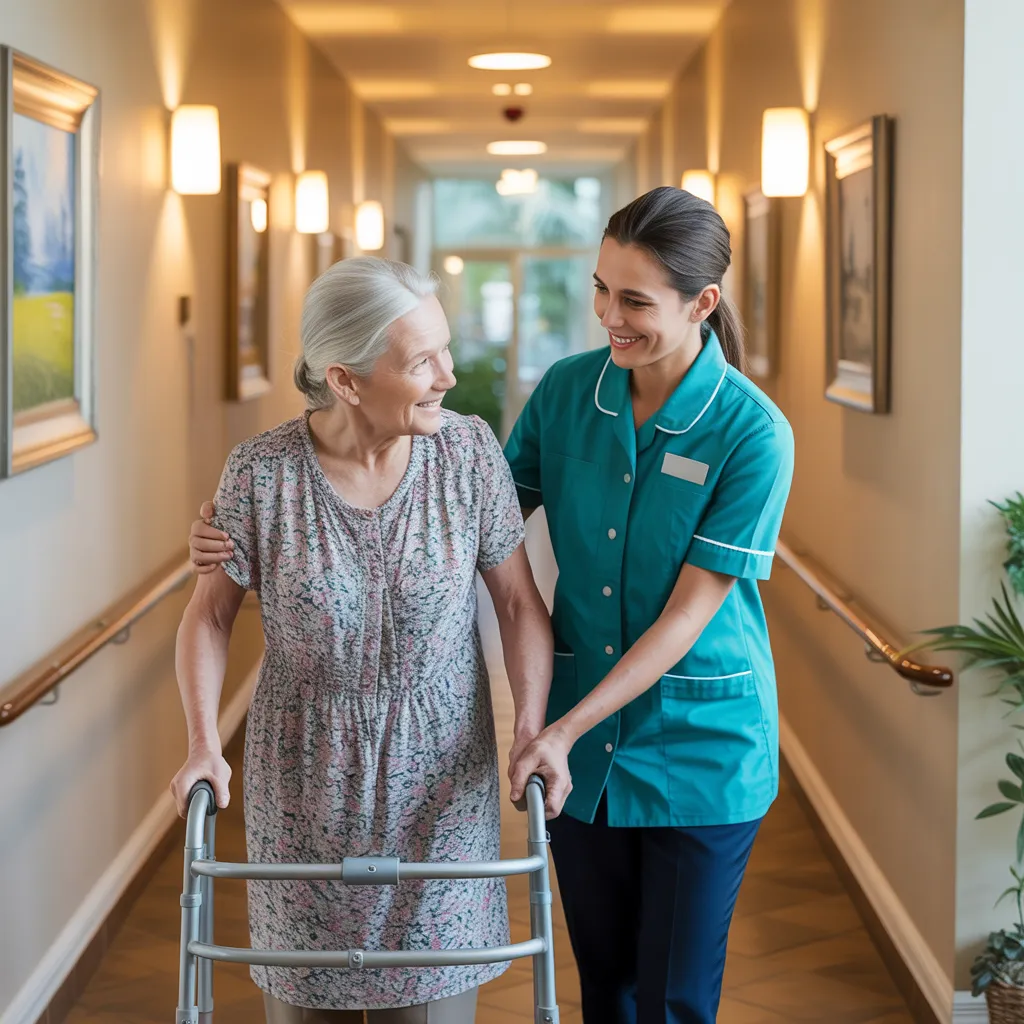
Tailored Health Plans for Unique Needs
When assessing the unique health difficulties affecting seniors, personalized health plans prove to be essential tools for promoting well-being. These plans are developed to address unique medical histories, preferences, and lifestyle needs, making certain that seniors receive individualized care. By implementing detailed assessments, healthcare providers can recognize specific health risks and create strategies to minimize them.
Moreover, personalized health plans can encompass medication management, nutrition guidance, and exercise regimens suited to each senior's physical condition and goals. Regular check-ups facilitate adjustments, ensuring that the plans remain effective as health conditions change.
This proactive approach not only improves physical health but also fosters mental and emotional well-being. By including seniors in their care process, personalized health plans enable them to take charge of their health decisions. In the end, these customized strategies contribute notably to better quality of life and longevity for seniors traversing the complexities of aging.
Enjoyable Social Activities to Improve Well-Being
Taking part in social activities substantially improves the overall wellness of seniors, as it encourages connections and addresses feelings of isolation. Participation in group activities, such as art classes, book clubs, or exercise sessions, allows seniors to interact with peers, share experiences, and create lasting friendships. These interactions not only enhance their daily lives but also strengthen mental health, reducing the risk of depression and anxiety.
Moreover, formal social initiatives can prompt seniors to explore new hobbies and hobbies, improving their cognitive capabilities and overall well-being. Activities that include teamwork, such as gardening or cooking clubs, encourage collaboration and a sense of togetherness.
Furthermore, community outings to local events or nature walks provide possibilities for engagement with the extended world, reinforcing social ties. Ultimately, fostering a thriving social environment is vital for maintaining the emotional and psychological well-being of seniors, ensuring they lead active and fulfilling lives.
Support Care Solutions for Day-to-Day Living
Supportive care solutions serve a vital function in helping older adults with everyday tasks, ensuring they preserve their autonomy and self-respect. These offerings include a range of activities customized to address personal requirements, such as personal care, meal preparation, and medication management. Qualified care professionals offer help with washing, clothing, and personal hygiene, promoting feelings of ease and safety within the home setting.
In addition to personal assistance, assistance programs can help seniors navigate transportation to appointments, facilitate grocery shopping, and handle light housekeeping. This complete approach enables seniors to prioritize their wellness while receiving the required support to address everyday challenges. By prioritizing the individual requirements of each individual, these services not only enhance the quality of life but also promote autonomy. In the end, care support services ensure that seniors can live with dignity and continue to experience their daily activities without unnecessary burdens.
Establishing a Feeling of Community Among Senior Citizens
Establishing a supportive environment extends past daily living assistance; it includes fostering connections among seniors. Developing a sense of community is essential for elevating emotional well-being and reducing feelings of isolation. Senior care facilities can implement numerous programs and activities that encourage social interaction, such as group outings, game nights, and art classes.
These shared experiences not only provide enjoyment but also generate opportunities for seniors to build friendships and support networks. Regular social gatherings can promote conversations and support individuals uncover common interests, resulting in stronger bonds.
Furthermore, a sense of community can be cultivated through volunteer opportunities, helping seniors to offer their skills and experiences while feeling important and engaged. By emphasizing social interaction, senior care programs can considerably improve the quality of life for residents, guaranteeing they feel backed and connected in their later years.
The Role of Family in Care Decision-Making
How does family involvement impact the well-being of seniors in care facilities? Family participation in care decisions serves a crucial function in elevating the quality of life for seniors. When family members engage in discussions about treatment options and daily care routines, it fosters a sense of belonging and security for the elderly. This engagement not only empowers seniors but also makes certain their preferences and values are respected, leading to more personalized care.
Additionally, family involvement can ease feelings of loneliness and isolation, as regular communication and visits strengthen emotional bonds. Families can also deliver valuable insights into the senior's past and preferences, permitting caregivers to tailor their approaches effectively. Overall, a collaborative relationship between families and care providers promotes better health outcomes, satisfaction, and overall well-being for seniors in these facilities, making family involvement an indispensable element of senior care excellence.
Your Questions Answered
What Training Do Caregivers Have in Senior Care Programs?
Professional caregivers in geriatric care programs commonly possess proper certifications, training in first aid and CPR, expertise in senior care, and solid communication skills. A majority also complete security screenings to assure security and dependability for clients.
Are There Any Fees for Community Activities?
Community activities often have associated costs, which can vary based on the nature of the program and area. Various programs could feature no-cost opportunities, while different ones could read now demand a nominal fee to participate or access resources.
How Do I Determine if My Loved One Needs Senior Care?
Signs that a loved one may require senior care include problems with everyday tasks, memory decline, social disengagement, growing health problems, or safety hazards at home. Observing these changes can help establish the importance for assistance.
What Occurs in Case of a Medical Emergency?
In the event of a medical emergency, quick aid is vital. Emergency services should be contacted promptly, while caregivers examine the condition. Rapid choices and transparent dialogue can considerably shape the outcome for the person experiencing the emergency.
Is Home Care Available for Seniors as an Alternative to Facility Care?
Yes, seniors can receive care at home instead of a facility. In-home care services offer customized support, allowing seniors to preserve their independence while getting essential help with everyday tasks and healthcare requirements in comfortable surroundings.